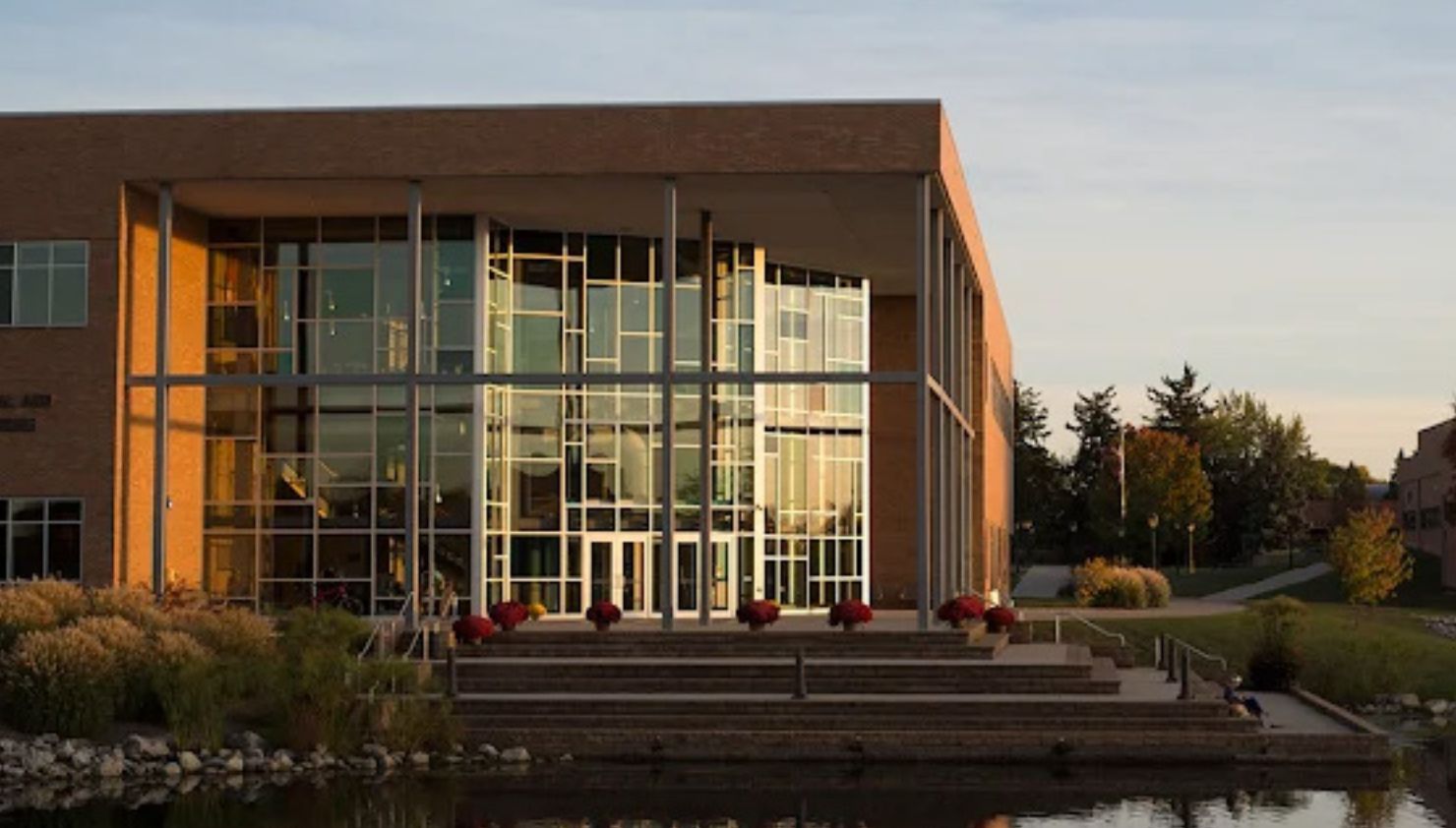
Customer Story: Cedarville University

When Kathy Carnegis prepared to hand off Cedarville University’s library after years as Director of Digital Services, she wanted to leave her colleagues with one platform instead of six.

Cedarville

Leaving one platform instead of six

Kathy had spent her tenure at Cedarville stewarding the library’s institutional repositories, faculty publications, student journals, and archival collections — work that supports faculty, researchers and more than 5,300 students at the private university in Cedarville, Ohio, and reaches well beyond campus. She did it with a team of one full-time and two part-time staff. So, when their legacy platform began to stagnate, the question wasn’t just which system to choose next, but what kind of foundation she could leave behind.

A platform that no longer fit a small team

For years, Cedarville’s digital services had run on a single platform that bundled repository, publishing, and archival functions together. In the beginning, that arrangement made progress possible. Over time, the development pace of that platform slowed. Updates that had once arrived regularly tapered off. Even small customizations had to be routed through the vendor’s technical team, adding cost and delay to work the library used to handle quickly.

Then the situation grew more pressing. The vendor was acquired by a larger company, and Cedarville was pushed through a forced migration of one core function into another part of the new product landscape — raising real questions about the long-term stability of the library’s digital services. At the same time,  Cedarville’s IT department flagged urgent security concerns the existing platform couldn’t resolve to the university’s standards.

The alternative facing them was to swap one bundled platform for four, five, or six separate tools — one for repositories, one for publishing and one for archives. For a team of three, that wasn’t a viable strategy. It was a future Kathy and her colleagues couldn’t realistically maintain or afford.

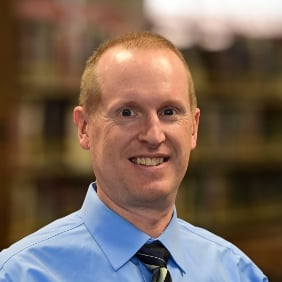
“A lot of the competing systems kind of focus on one thing, whether it’s archives or repository or publishing. When I talk to a lot of other library directors, they have four, five, or six different software platforms. The strongest appeal of TIND was it promised us a way to maintain all those functions on the same platform."

Joshua Michael Dean of Library Services
michael-josh

One platform, one learning curve

The solution Cedarville arrived at was a practical one: choose the only vendor that could keep repository, publishing, and archival functions together on a single platform. That choice would set the team up for future success. Kathy was retiring and Spencer Benefiel, the incoming Digital Services Director, would inherit one system to learn rather than a patchwork of tools held together by institutional memory.

Migration is often where decisions like this either pay off or unravel. For Cedarville, their previous vendor offered limited support with exporting the library’s data, and the team braced for a difficult handoff. What they got was this was different: TIND took the data and files that Cedarville was able to provide — gaps and all — and rebuilt the collections in a state that exceeded their expectations.

7 journals standardized

3 staff running everything

1 platform for all functions

1 month faster peer review cycle

Visibility the campus could share

While consolidating multiple systems was the foundational goal, TIND’s ability to deliver customized workflow dashboards specifically for Cedarville’s publishing programs was a day-to-day game changer. Previously, tracking a journal submission through four or five approval steps meant relying on manual spreadsheets and endless emails just to figure out whose desk it was waiting on.

One of the first things the team noticed after the move was a shift in who was asking the library for status updates, and how often. With the new dashboards in place, faculty advisors and journal editors could finally see for themselves exactly where each submission sat in the process. The library stopped being the manual routing layer between the publication’s stakeholders and the work in progress. Instead, those stakeholders were empowered to track and follow up on submissions directly.

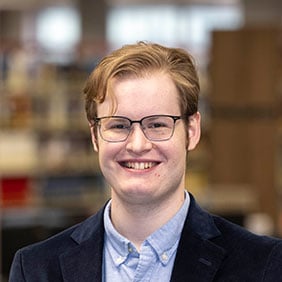
“Stakeholders on campus have been able to take things off of our plate. They can see where a journal submission is already, so they follow up directly rather than coming to me."

Spencer Benefiel Digital Services Director
benefiel-spencer

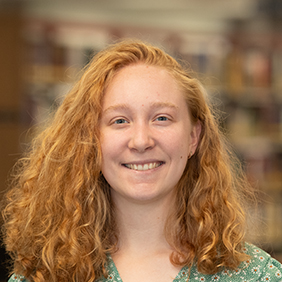
“For one journal specifically, it would normally take us a few months to get everything reviewed, but where we would normally be done in March, we’re already done now in February with the review process."

Alayna Drollinger Digital Services Assistant
drollinger-alayna

Sustainability for a small team

With one full-time and two part-time staff members, sustainability isn’t just a goal at Cedarville’s library — it’s the operating mandate. Every system and workflow has to be something the next person can pick up. Every piece of institutional knowledge that lives only in a spreadsheet or in someone’s head is a risk. Consolidating on TIND meant Spencer didn’t inherit six tools to maintain. It also meant the library’s workflows, metadata, and publishing processes now lived in a centralized system rather than in disparate personal files — work that can survive a staff member’s departure.

“Having something that’s in a system means it’s sustainable. It’s going to outlive whatever spreadsheet someone has developed that disappears once they leave the institution. You’re creating continuity here.”

Joshua Michael Dean of Library Services

michael-josh

What's possible now

For Kathy, the most meaningful outcome isn’t a single workflow or dashboard. It’s that the library she’s handing off can keep going — and keep growing — without depending on any one person. Cedarville’s repositories, journals, and archival collections now sit on a single, supported platform. Campus stakeholders can find what they need without being routed through the library. Peer review cycles are running ahead of schedule. And the next director won’t inherit a patchwork; he’ll inherit a coherent system.

“TIND is nimble, they’re innovative, they’re scalable, and they’re customer-centric. Those four — that’s what we needed and that’s what we got."

Kathy Carnegis Departing Director of Digital Services
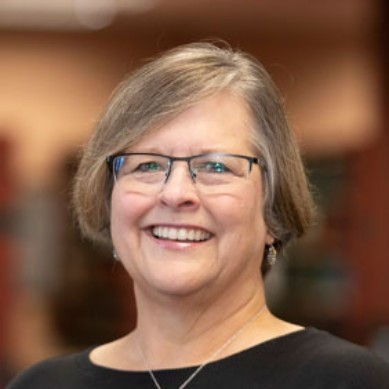
Kathy C

Want to learn more?

Get in touch via our contact form below to speak to a representative, or browse our products:


Get in Touch.


Fill out our contact form to speak to product specialist. We'll be in touch to learn more about your institution's needs and will provide you with a personal demo session.